Every year, construction crews across the country run into the same situation: a project is ready to break ground, but a proper lack of environmental compliance planning creates delays. This causes work to slow down or even halt, timelines to get pushed, and costs to increase.
Nesting bird season is February through August and can be one of the contributing factors to project delays. Through appropriate planning and discussions with an environmental professional, including understanding what federal law requires and how nesting bird surveys work, you get the information you need to plan around the season rather than be surprised by it.
Why nesting birds can stop your project
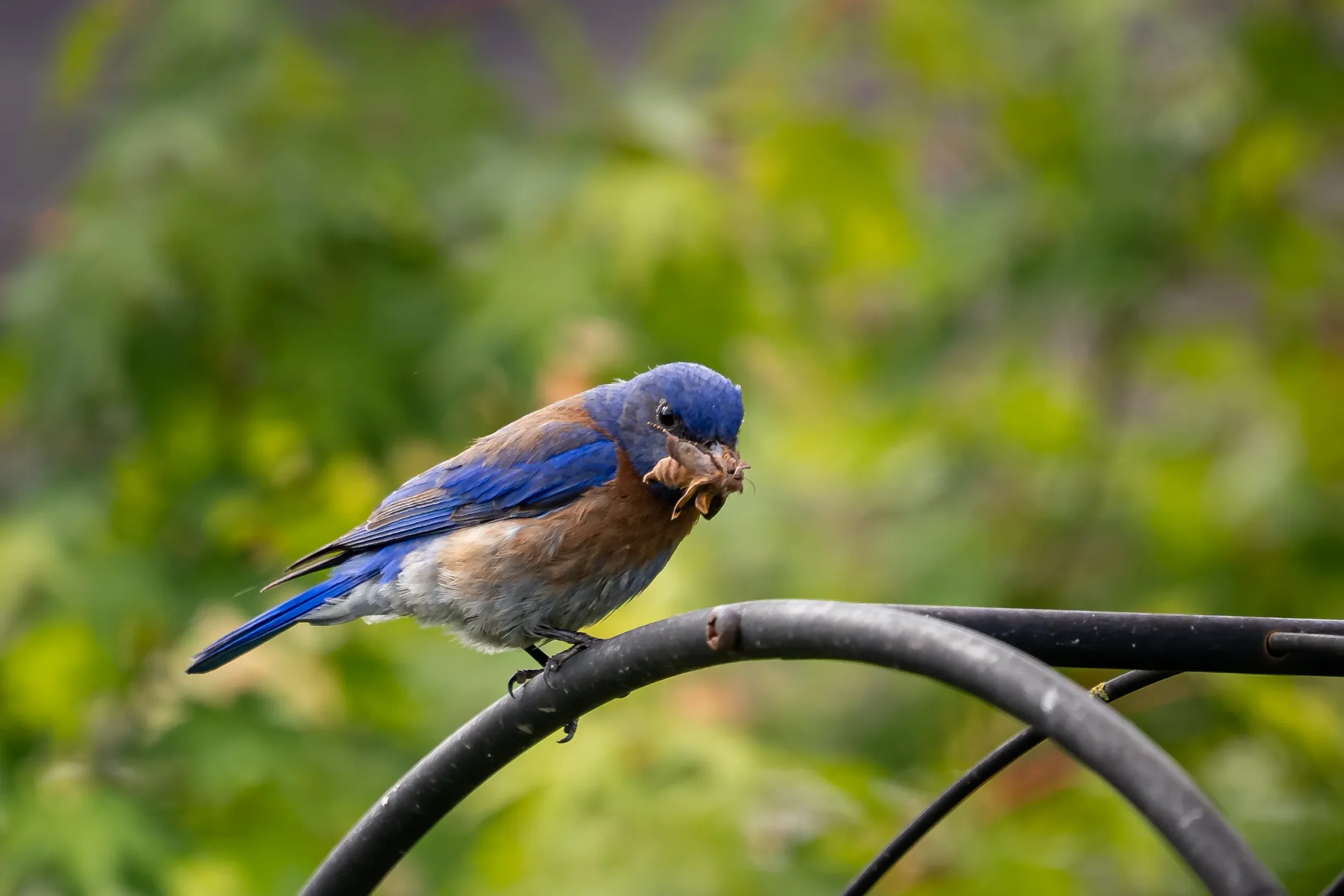
The Migratory Bird Treaty Act (MBTA) is a federal law that prohibits disturbing, damaging, or destroying the active nests of most native bird species. Regardless of the species type (whether common or rare), any active nesting site for a native bird species must not be affected during any phase of your project. If, for example, you find a Scrub Jay (a common bird) nest, it would have the same legal obligations as a nest belonging to a Bald Eagle (a fully protected raptor).
What a pre-construction nesting bird survey involves
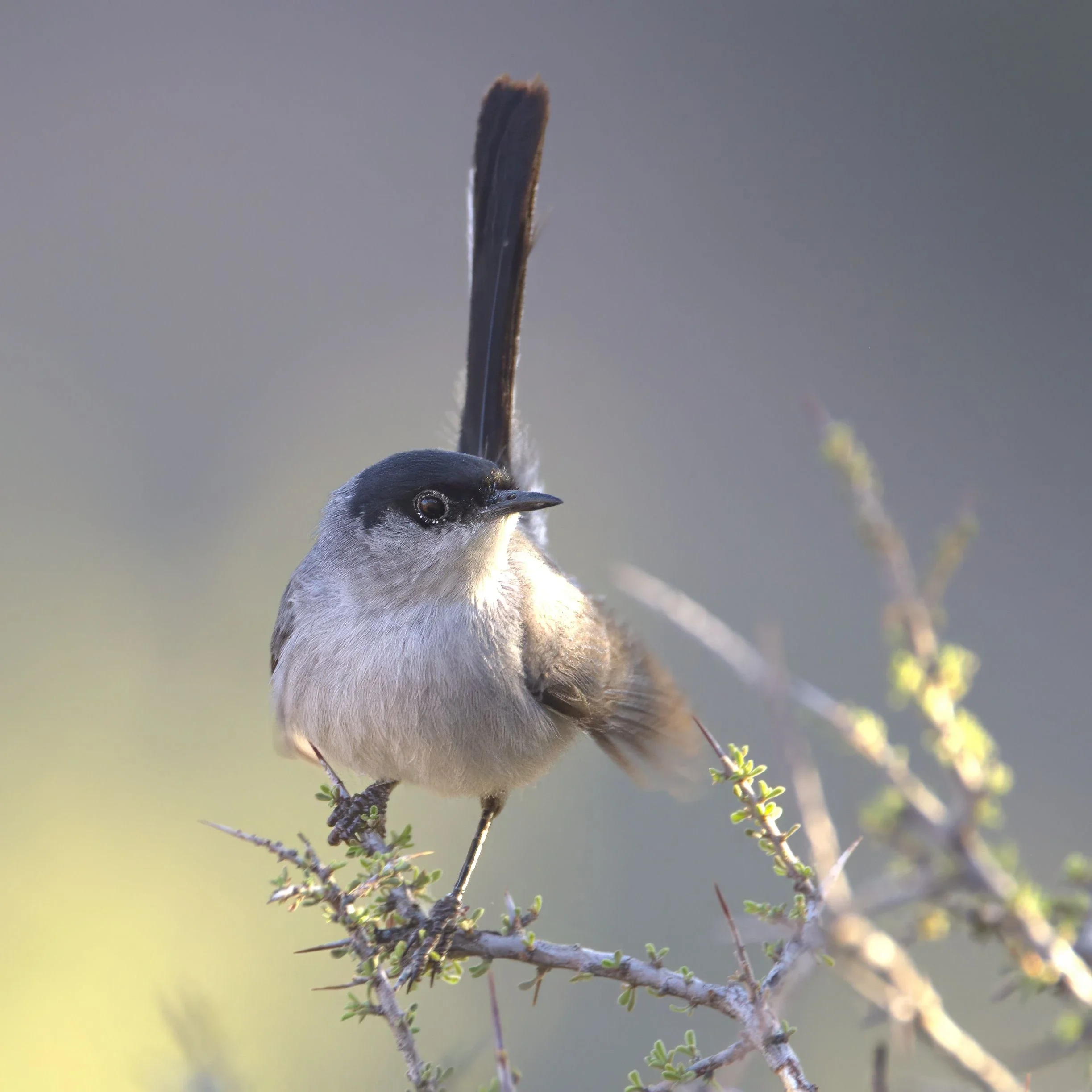
A pre-construction nesting bird survey is a site inspection conducted by a qualified biologist, typically within 3 to 7 days of ground disturbance. The biologist walks the project area and any vegetation within a defined buffer and documents any active nests. Depending on the species type, multiple surveys within a certain time frame may need to be done. For example, the Coastal California Gnatcatcher requires a minimum of six (6) surveys completed at least 1 week apart.
If no active nests are found, work can proceed. If nests are present, the biologist establishes an exclusion buffer around the nest — a no-work zone that remains in place until the nest is confirmed inactive. Buffer sizes vary by species and situation but commonly range from 50 to 500 feet.
The best way to avoid a work stoppage
To avoid your development plans from getting derailed, refer to the following checklist.
Schedule vegetation removal and initial ground disturbance before nesting season begins — ideally before February 1. Once vegetation is cleared, most birds won't establish nests in the disturbed area.
Get a pre-construction survey from an environmental professional to ensure your project does not violate the MBTA.
How this applies across America
The MBTA applies in all fifty states, as it is a federal baseline. However, depending on what state you are in, there might be additional legislation to adhere to.
California: An additional layer of protection is added through the California Department of Fish and Wildlife (CDFW) to protect certain species under the California Endangered Species Act (CESA).
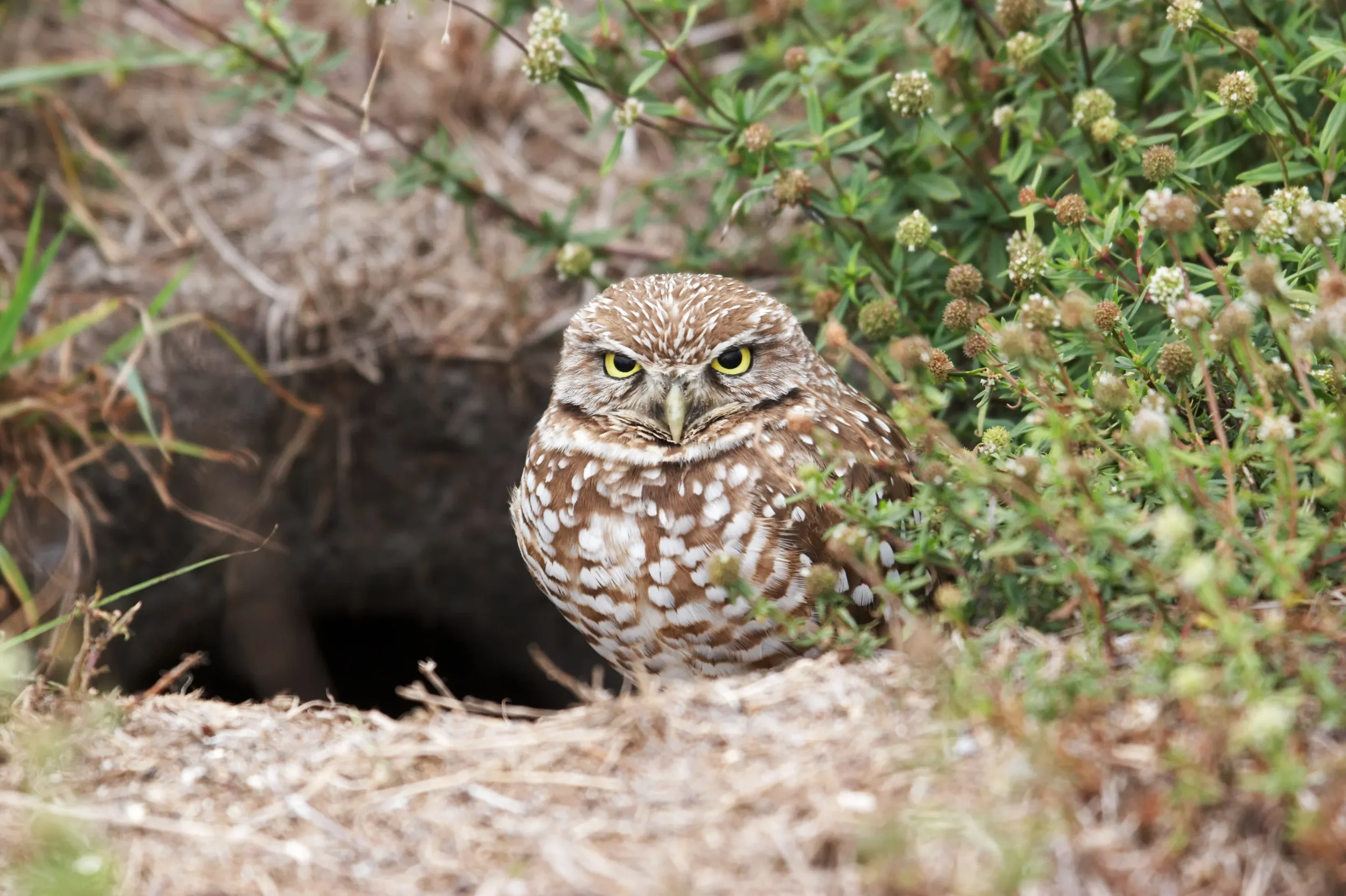
Nevada: The Nevada Department of Wildlife (NDOW) maintains its own list of protected wildlife, and certain species — such as the burrowing owl — require additional attention under state guidelines.
Arizona: Similarly, the Arizona Game and Fish Department (AZGFD) administers wildlife protections under the Arizona Wildlife Conservation Strategy which covers native wildlife broadly. Developers working in Arizona should be aware that AZGFD may have species-specific guidance that goes beyond the federal minimum, particularly for raptors and ground-nesting birds common to desert environments.
If your project spans state lines or you're working in multiple regions simultaneously, it's worth confirming which protocols apply where, as they are not identical.
Have a project starting soon?
ELMT Consulting provides pre-construction nesting bird surveys across California, Arizona, and Nevada. Reach out with your APN or site address and we'll get back to you within two business days.